The Ultimate Guide to Low-GI Foods: 10 Essential Additions to Your Weekly Meal Plan
Blood sugar management isn't just for those with diabetes—it's a cornerstone of overall health and wellness. Maintaining stable blood glucose levels is essential not only for preventing chronic conditions like diabetes but also for supporting energy levels, cognitive function, and even mood regulation. Understanding and incorporating low-glycemic index (GI) foods into your diet can be a game-changer for your health journey. When we talk about the glycemic index, we're referring to a ranking system that measures how quickly carbohydrates in foods raise blood glucose levels after consumption. Foods with a low GI (55 or less) are digested and absorbed more slowly, resulting in gradual increases in blood sugar and insulin levels. This slow digestion helps prevent the sharp spikes and crashes associated with high-GI foods, promoting sustained energy and better overall metabolic health.
Embracing a low-GI diet can have numerous benefits beyond blood sugar control. It can aid in weight management by increasing satiety and reducing hunger pangs, improve cardiovascular health by lowering bad cholesterol levels, and enhance mental clarity by providing a steady supply of glucose to the brain. For more strategies on lowering the glycemic impact of your meals, check out our detailed guide. Moreover, low-GI foods often come packed with essential nutrients, fiber, and healthy fats, making them integral to a balanced and nutritious diet. By making informed food choices based on the glycemic index, you can support your body's natural processes and foster long-term well-being.
Let's delve deeper into ten powerhouse low-GI foods that deserve a prominent place in your weekly meal planning. Each of these foods not only helps manage blood sugar levels but also offers a plethora of other health benefits, making them valuable additions to any diet.
1. Almonds: The Versatile Powerhouse
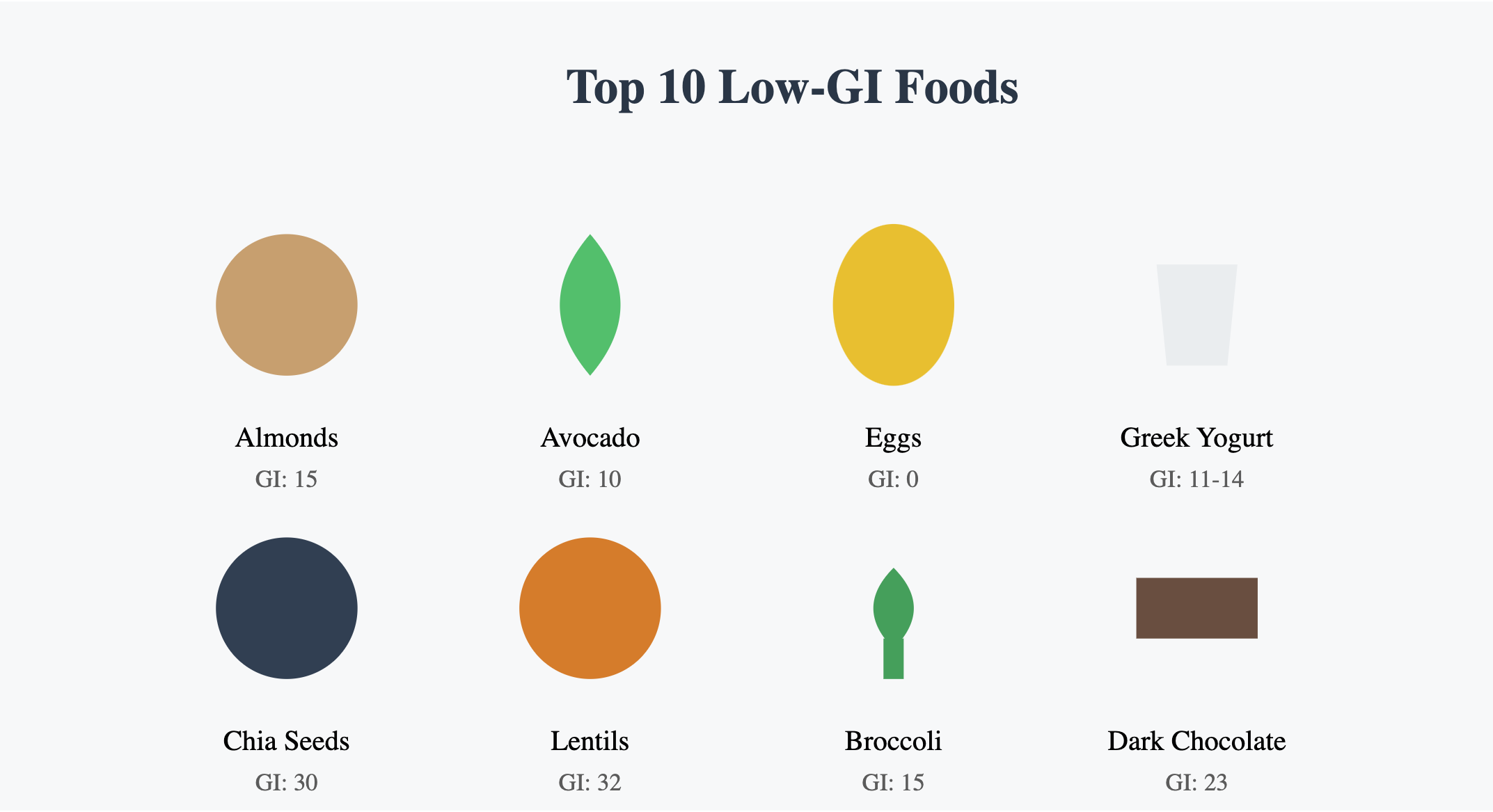
Almonds are a nutritional marvel with a negligible glycemic index due to their minimal carbohydrate content. These nuts are a powerhouse of nutrients, providing healthy monounsaturated fats, high-quality protein, dietary fiber, vitamin E, magnesium, and antioxidants. The healthy fats in almonds help reduce LDL cholesterol levels, promoting heart health, while their fiber content aids in digestion and prolongs satiety, assisting in weight management. Additionally, magnesium plays a crucial role in over 300 enzymatic reactions in the body, including those that regulate blood sugar levels.
Serving Ideas:
- Quick Snack: Grab a handful of raw or roasted almonds for a convenient and satisfying snack that curbs hunger between meals.
- Morning Oatmeal: Sprinkle sliced or slivered almonds over your morning oatmeal or cereal for added crunch and nutrition.
- Whole-Grain Toast: Spread a generous layer of almond butter on whole-grain toast, and top with banana slices or a drizzle of honey for a balanced breakfast.
Important Note: For those monitoring oxalate intake, be aware that almonds contain 296mg of oxalates per 100g, with a ¼ cup serving providing 122mg. Most oxalates are concentrated in the skin—blanching almonds (removing the skin) can significantly reduce these levels, making them safer for individuals prone to kidney stones. Learn more about managing oxalate levels in our comprehensive guide.
Additional Benefits:
- Skin Health: The high vitamin E content in almonds acts as an antioxidant, protecting skin cells from oxidative damage and promoting a healthy complexion.
- Bone Health: Almonds are a good source of calcium and phosphorus, essential minerals for maintaining strong bones and teeth.
2. Avocado: The Creamy Superfood
With a negligible GI, avocados are a perfect addition to any low-glycemic diet. These creamy fruits are rich in monounsaturated fats, particularly oleic acid, which is known to reduce inflammation and may lower the risk of heart disease. Avocados are also an excellent source of dietary fiber, which aids in digestion and promotes a feeling of fullness, helping with weight management. Moreover, avocados boast an impressive array of vitamins, including vitamin C, E, K, and B-6, as well as potassium, which helps regulate blood pressure by counteracting sodium's effects.
Serving Ideas:
- Morning Toast: Mash avocado with a sprinkle of salt, pepper, and a dash of lemon juice, then spread it on whole-grain toast for a nutritious breakfast.
- Creamy Smoothies: Blend avocado into smoothies for a rich, creamy texture and an added boost of healthy fats and fiber.
- Classic Guacamole: Combine mashed avocados with tomatoes, onions, cilantro, lime juice, and a touch of salt to create a delicious guacamole dip for vegetables or whole-grain crackers.
Additional Benefits:
- Eye Health: Avocados contain lutein and zeaxanthin, antioxidants that are crucial for maintaining healthy vision and reducing the risk of age-related macular degeneration.
- Nutrient Absorption: The healthy fats in avocados enhance the absorption of fat-soluble vitamins (A, D, E, and K) from other foods consumed alongside them.
3. Eggs: The Complete Protein Package
Eggs score a perfect zero on the GI scale, containing no carbohydrates while offering impressive nutritional benefits. They are one of the most complete sources of protein available, providing all nine essential amino acids necessary for bodily functions. Beyond protein, eggs are rich in vitamins such as B2 (riboflavin), B12 (cobalamin), D, and minerals like selenium, which plays a vital role in antioxidant defense systems. Eggs also contain choline, a nutrient important for brain health and development.
Serving Ideas:
- Vegetable Omelet: Whip up an omelet loaded with your favorite vegetables like spinach, tomatoes, and bell peppers for a nutrient-dense breakfast.
- Salads: Add boiled or poached eggs to salads for an extra protein boost and enhanced flavor.
- Quick Snacks: Keep hard-boiled eggs handy for a convenient, protein-rich snack that keeps you energized between meals.
Additional Benefits:
- Muscle Health: The high-quality protein in eggs supports muscle repair and growth, making them an excellent choice for active individuals and athletes.
- Brain Function: Choline in eggs is essential for neurotransmitter synthesis, which is critical for memory and cognitive function.
4. Greek Yogurt: The Probiotic Champion
Greek yogurt boasts a remarkably low GI of 11-14, depending on the added sugars, making it an excellent choice for those seeking to manage their blood sugar levels. Unlike regular yogurt, Greek yogurt is strained to remove whey, resulting in a thicker texture and higher protein content. This protein richness not only aids in muscle maintenance but also contributes to satiety, helping control appetite. Additionally, Greek yogurt is packed with probiotics, which are beneficial bacteria that support gut health by maintaining a balanced microbiome.
Serving Ideas:
- Breakfast Topping: Top Greek yogurt with fresh berries, a drizzle of honey, and a sprinkle of granola for a balanced and satisfying breakfast.
- Smoothie Base: Use Greek yogurt as a base for smoothies, blending it with fruits, vegetables, and a touch of natural sweetener for a nutritious drink.
- Whole-Grain Pancakes: Incorporate Greek yogurt into whole-grain pancake batter to add moisture and protein, or use it as a creamy topping.
Additional Benefits:
- Bone Health: Greek yogurt is a good source of calcium, which is essential for maintaining strong bones and teeth.
- Immune Support: The probiotics in Greek yogurt help bolster the immune system by supporting the gut barrier and enhancing immune response.
5. Chia Seeds: The Tiny Nutritional Giants
Chia seeds are small but mighty, with a negligible GI and a significant nutritional profile. These tiny seeds are rich in omega-3 fatty acids, which are crucial for heart health and reducing inflammation. They also provide ample dietary fiber, which aids in digestion, promotes satiety, and helps stabilize blood sugar levels. Additionally, chia seeds offer a decent amount of protein, making them a valuable plant-based protein source. They are also packed with essential minerals like calcium, magnesium, and phosphorus, supporting bone health and overall metabolic functions.
Serving Ideas:
- Chia Pudding: Combine chia seeds with almond milk or your preferred dairy alternative, sweeten with a touch of honey or maple syrup, and let it sit overnight to create a delicious and nutritious pudding.
- Salad Topping: Sprinkle chia seeds over salads for an added crunch and a nutritional boost.
- Morning Yogurt: Stir chia seeds into your morning yogurt or smoothie to enhance texture and nutrient content.
Additional Benefits:
- Weight Management: The high fiber content in chia seeds helps control appetite by promoting a feeling of fullness, which can aid in weight loss efforts.
- Digestive Health: Chia seeds absorb water and expand in the digestive tract, aiding in regular bowel movements and preventing constipation.
6. Lentils: The Plant-Based Protein Star
Lentils are a stellar choice for those seeking stable blood sugar levels, with a glycemic index of approximately 32. These legumes are packed with plant-based protein, making them an excellent option for vegetarians and vegans. Lentils are also rich in dietary fiber, which aids in digestion and promotes satiety, helping with weight management. Additionally, they provide essential minerals like iron and folate, which are vital for red blood cell production and preventing anemia.
Serving Ideas:
- Soups and Stews: Add lentils to soups and stews for a hearty and nutritious meal that is both satisfying and low in fat.
- Hearty Salads: Incorporate cooked lentils into salads along with fresh vegetables, herbs, and a light vinaigrette for a balanced and protein-rich dish.
- Lentil Curry: Prepare a flavorful lentil curry with spices, tomatoes, and coconut milk for a delicious and warming meal.
Additional Benefits:
- Heart Health: The high fiber and folate content in lentils help lower homocysteine levels, reducing the risk of heart disease.
- Blood Sugar Control: The combination of protein and fiber in lentils slows the absorption of carbohydrates, preventing blood sugar spikes and promoting stable energy levels.
7. Broccoli: The Green Guardian
Broccoli stands out as a nutritional superstar with a low glycemic index of approximately 15. This cruciferous vegetable is loaded with vitamins C and K, which are essential for immune function, bone health, and blood clotting. Broccoli is also rich in dietary fiber, supporting digestive health and promoting satiety. Additionally, it contains a variety of antioxidants, including sulforaphane, which has been shown to have anti-inflammatory and cancer-fighting properties.
Serving Ideas:
- Steamed Side Dish: Steam broccoli florets until tender and serve as a nutritious side dish seasoned with a touch of olive oil, lemon juice, and garlic.
- Stir-Fries: Incorporate broccoli into stir-fries with lean proteins and other vegetables for a quick and balanced meal.
- Nutritious Soups: Blend steamed broccoli into soups for a creamy texture and added nutritional benefits without relying on high-GI thickeners.
Additional Benefits:
- Detoxification Support: Broccoli contains compounds that support the body's natural detoxification processes, aiding in the elimination of harmful substances.
- Cancer Prevention: The antioxidants and phytochemicals in broccoli, such as sulforaphane and indole-3-carbinol, have been linked to reduced risks of certain cancers, including breast and prostate cancer.
8. Dark Chocolate: The Healthy Indulgence
Dark chocolate, particularly varieties with 70% cocoa or higher, is a delightful treat with a glycemic index of approximately 23. Contrary to its reputation as an indulgence, dark chocolate offers several health benefits when consumed in moderation. It is rich in flavonoids, which are antioxidants that can improve heart health by lowering blood pressure, improving blood flow to the brain and heart, and reducing the risk of blood clots. Additionally, dark chocolate may enhance insulin sensitivity, aiding in better blood sugar management.
Serving Ideas:
- Simple Treat: Enjoy a small piece of dark chocolate on its own to satisfy your sweet tooth without causing a significant blood sugar spike.
- Fruit Topping: Melt dark chocolate and drizzle it over fresh fruit like strawberries, bananas, or apples for a delicious and healthier dessert option.
- Baking Ingredient: Incorporate dark chocolate chips into whole-grain baking recipes, such as oatmeal cookies or muffins, to add flavor and antioxidants.
Note on Oxalates: Dark chocolate contains 117mg of oxalates per 100g, with a 1 oz (28g) serving providing approximately 33mg. While this is relatively moderate, individuals with a history of calcium oxalate kidney stones should monitor their intake.
Additional Benefits:
- Mood Enhancement: Dark chocolate stimulates the production of endorphins and serotonin, which can improve mood and reduce stress levels.
- Cognitive Function: The flavonoids in dark chocolate have been linked to improved cognitive function and reduced risk of neurodegenerative diseases.
9. Dates: The Natural Sweetener
Dates are a versatile fruit with a moderate glycemic index of 42-47, depending on the variety. While they contain natural sugars, their fiber content helps moderate blood sugar spikes, making them a suitable option for those following a low-GI diet when consumed in moderation. Dates are rich in essential nutrients such as potassium, magnesium, and vitamins, which support various bodily functions, including muscle function, nerve transmission, and energy production. They also contain antioxidants that protect cells from oxidative stress.
Serving Ideas:
- Natural Sweetener: Use chopped dates as a natural sweetener in smoothies, energy bars, or homemade granola instead of refined sugars.
- Salad Ingredient: Chop dates and add them to salads for a touch of unexpected sweetness and added texture.
- Snack Mix: Combine dates with nuts and seeds to create a wholesome and satisfying snack mix.
Additional Benefits:
- Digestive Health: The high fiber content in dates aids in regular bowel movements and prevents constipation.
- Bone Health: Dates provide essential minerals like calcium and phosphorus, which are important for maintaining strong bones and teeth.
10. Nuts (Walnuts and Cashews): The Healthy Fat Heroes
Like their almond cousins, walnuts and cashews have a negligible glycemic index due to their low carbohydrate content. These nuts are packed with healthy fats, including omega-3 fatty acids in walnuts and monounsaturated fats in cashews, which are beneficial for heart health. They also provide a good source of protein and dietary fiber, contributing to satiety and stable blood sugar levels. Additionally, nuts are rich in various vitamins and minerals, such as magnesium, zinc, and vitamin E, supporting overall health and well-being.
Serving Ideas:
- Snacking: Enjoy a handful of walnuts or cashews as a convenient and nutritious snack between meals.
- Salad Toppings: Sprinkle chopped nuts over salads to add crunch, flavor, and a nutritional boost.
- Baking: Incorporate nuts into baked goods like whole-grain muffins, bread, or energy bars for added texture and health benefits.
Note on Cashew Oxalates: Cashews contain 136mg of oxalates per 100g, with a ¼ cup (approximately 33g) serving providing around 49mg. Individuals concerned about oxalate intake should consume cashews in moderation and consider balancing their diet with low-oxalate foods.
Additional Benefits:
- Brain Health: Walnuts are particularly high in omega-3 fatty acids, which are essential for brain health and cognitive function.
- Anti-Inflammatory Properties: The healthy fats and antioxidants in nuts help reduce inflammation in the body, lowering the risk of chronic diseases.
Important Considerations for Oxalate Content
For individuals concerned about calcium oxalate kidney stones, managing oxalate intake is crucial. Oxalates are naturally occurring compounds found in many plant-based foods, and excessive intake can contribute to the formation of kidney stones in susceptible individuals. Daily oxalate intake recommendations vary:
- General Recommendation: Less than 50mg per day (according to Healthline)
- Alternative Guidelines: Up to 100mg per day (according to Kidney Stone Diet)
To manage oxalate intake while enjoying a variety of nutritious foods, consider the following strategies:
- Balance Your Diet: Incorporate a mix of low and moderate-oxalate foods to stay within recommended limits.
- Hydration: Drink plenty of water throughout the day to help flush oxalates from the body.
- Calcium-Rich Foods: Consuming calcium-rich foods alongside oxalate-containing foods can help bind oxalates in the digestive tract, reducing their absorption and the risk of stone formation.
- Cooking Methods: Certain cooking methods, such as boiling and blanching, can reduce the oxalate content in foods like almonds and cashews.
By being mindful of oxalate content and implementing these strategies, you can enjoy the benefits of low-GI foods without compromising your kidney health.
Oxalates Made Easy: Understanding Their Impact on Your Health provides an in-depth look at how to balance your diet effectively.
Conclusion
Incorporating these low-GI foods into your meal plan isn't just about managing blood sugar—it's about creating a sustainable, nutritious diet that supports overall health. These foods provide a rich array of essential nutrients, healthy fats, and fiber, all of which contribute to improved energy levels, enhanced cognitive function, better weight management, and reduced risk of chronic diseases. Remember to consider your individual health needs, particularly regarding oxalate content, when planning your meals. For those with specific dietary restrictions or health conditions, consulting with a healthcare professional or a registered dietitian can provide personalized guidance tailored to your unique needs.
Embracing a low-glycemic diet doesn't mean sacrificing flavor or variety. With the diverse range of foods available, you can enjoy delicious and satisfying meals that nourish your body and support your health goals. Experiment with different recipes and serving ideas to keep your diet exciting and enjoyable.
Want to make tracking easier? Consider using a nutrition tracking app that can help you monitor both the glycemic index (GI) and glycemic load (GL) of various ingredients. These tools can simplify the process of making informed dietary decisions by providing detailed nutritional information and personalized recommendations. By leveraging technology, you can stay on top of your nutritional intake, ensuring that your meals align with your health objectives.
Moreover, understanding the glycemic index is just one piece of the puzzle in achieving optimal health. It's also important to focus on other aspects of nutrition, such as micronutrient intake, hydration, and overall dietary patterns. Combining low-GI foods with a balanced intake of proteins, healthy fats, vitamins, and minerals can create a well-rounded and health-promoting diet.
As you embark on your health journey, remember that consistency is key. Gradually incorporating these low-GI foods into your daily routine can lead to lasting positive changes. Whether you're aiming to improve your blood sugar control, enhance your overall wellness, or simply adopt healthier eating habits, these foods offer a solid foundation for achieving your goals.
In summary, low-glycemic index foods play a vital role in maintaining stable blood sugar levels and promoting overall health. From the versatile almonds and creamy avocados to the protein-packed eggs and nutrient-dense Greek yogurt, each of these ten foods offers unique benefits that can enhance your diet and support your well-being. By thoughtfully selecting and incorporating these foods into your meals, you can enjoy a diverse and flavorful diet that fosters long-term health and vitality.
By prioritizing low-GI foods and integrating them into your daily meals, you take a significant step towards enhancing your health and well-being. Embrace the variety and versatility of these nutritious options, and enjoy the journey to a healthier, more vibrant life.
References
- Healthline: 9 Proven Benefits of Almonds
- BHF: Is Greek Yogurt Good for You?
- Healthline: Benefits of Chia Seeds
- Medical News Today: All About Superfoods
- Everyday Health: Superfoods
- The Sun: Ozempic-Like Foods to Bust Belly Fat
- VeryWell Health: Glycemic Index Chart
- Healthline: 9 Healthy Nuts
- Healthline: Low-Oxalate Diet
- The Kidney Dietitian: Oxalates in Food (PDF)
Last updated: December 2024