Lowering the Glycemic Impact of Your Meals: Simple Steps for a Healthier You

Ever feel the dreaded sugar slump after a hearty meal? The secret to avoiding this isn’t giving up your favorite foods—it’s about knowing how to tweak your meals to keep your blood sugar levels steady. By lowering the glycemic index (GI) of your dishes, you’re not only ensuring sustained energy but also taking strides toward better overall health. Let’s dive into some fun, easy, and actionable tips that will have you cooking like a low-GI pro in no time.
1. Eat Smart: Sequence Your Meal Like a Pro
Picture this: you’re at a fancy restaurant, and your meal arrives in courses. Why not adopt this elegant practice at home? Start your meal with fiber-packed veggies—like crunchy bell peppers, vibrant cherry tomatoes, or a crisp green salad adorned with colorful vegetables—to pave the way. Fiber is your friend here; it slows down the digestion process, which helps in maintaining a steady blood sugar level. Incorporate a variety of textures and flavors to make your first course both enjoyable and beneficial.
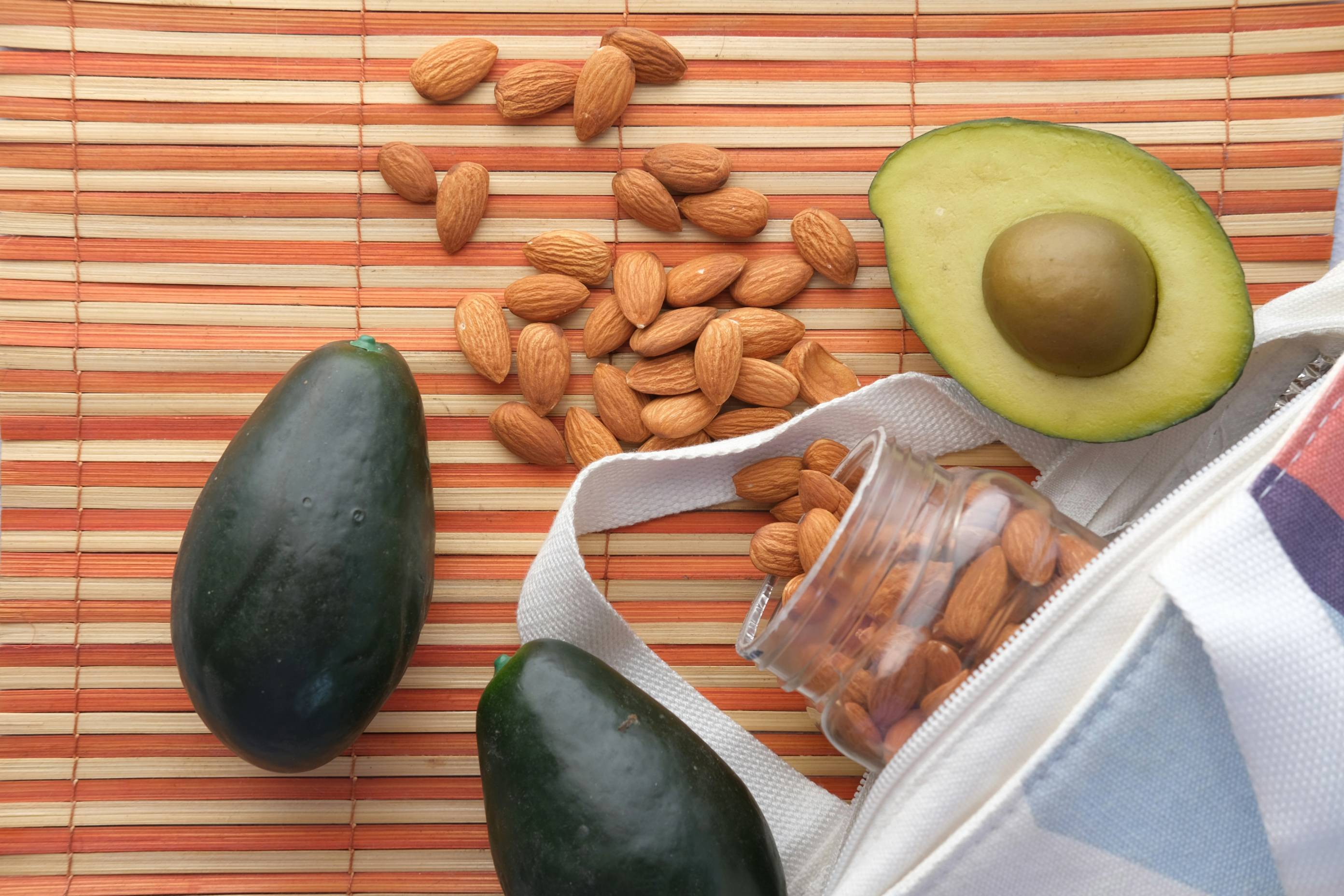
Next, savor your proteins and healthy fats; think grilled salmon drizzled with olive oil, a tender piece of lean beef, or a hearty helping of guacamole. These proteins and fats not only keep you feeling full longer but also play a crucial role in moderating blood sugar spikes by slowing the absorption of carbohydrates. Adding herbs and spices like rosemary, thyme, or paprika can elevate the flavors, making your proteins not just healthy but also incredibly tasty.
Finally, let the carbohydrates take a back seat until the end. Whether it’s a serving of quinoa, a small portion of whole-grain pasta, or a slice of sweet potato, having carbs last allows your body to process them more gradually. This intentional sequence doesn’t just sound fancy; it’s scientifically proven to reduce those dreaded post-meal blood sugar spikes. Additionally, it makes your dining experience feel more luxurious and structured, enhancing your overall enjoyment of the meal. So, go ahead and relish that salad first while the pasta patiently waits for its turn to shine. Over time, this habit can become second nature, seamlessly integrating into your daily routine and contributing to better blood sugar management.
2. Pucker Up with Acidic Ingredients

Here’s a zesty secret: acidic ingredients like lemon juice, lime juice, vinegar, or even tomatoes can work wonders on your meal’s GI. Spritz some lemon on your veggies or drizzle balsamic vinegar over your salad. For an extra tangy twist, marinate your proteins in citrus-based sauces or whip up a quick vinaigrette using apple cider vinegar, mustard, and a touch of honey. Feeling adventurous? Take a diluted vinegar shot 15 minutes before eating—it’s like a quirky pre-meal ritual that helps your blood sugar stay in check. This practice not only aids in blood sugar regulation but also enhances the flavor profile of your dishes, making them more vibrant and appetizing.
Acidic foods are like traffic controllers for carbs, slowing down digestion and giving your body ample time to handle the sugars. They achieve this by stimulating the production of digestive enzymes and enhancing the absorption of nutrients, which contributes to a more balanced blood sugar response. Additionally, incorporating acidic ingredients can help balance the overall taste of your meal, preventing it from becoming too bland or overly sweet. Plus, they add a burst of flavor that’s impossible to resist, making your healthy meals more enjoyable and satisfying. Whether you’re preparing a refreshing citrus salad, a tangy salsa, or a savory marinade, these acidic additions can significantly impact your blood sugar management while elevating your culinary creations.
3. Swap It Out: High-GI Ingredients Begone

Think of your kitchen as a playground for healthier swaps. Love mashed potatoes? Try creamy mashed cauliflower seasoned with garlic, a pinch of nutmeg, or a sprinkle of fresh herbs. Craving rice? Opt for quinoa, barley, or farro, both packed with fiber and nutrients. Missing your morning toast? Whole-grain sourdough, sprouted bread, or Ezekiel bread has your back. These lower-GI alternatives keep the flavors alive while toning down the sugar rush. For example, swapping white rice for brown basmati or wild rice not only reduces the GI but also adds a delightful nutty flavor and chewy texture to your meals.
To make it even easier, tools like Glycify can help you pinpoint high-GI culprits in your favorite recipes and suggest smarter substitutes. The app might recommend replacing sugary cereals with steel-cut oats or swapping out regular pasta for lentil-based varieties, which are higher in protein and fiber. The best part? These swaps are so seamless, your taste buds won’t even notice—but your body will. Moreover, experimenting with different grains and starches can add variety to your diet, preventing meal monotony and keeping your culinary experiences exciting. Embracing these healthier alternatives not only benefits your blood sugar levels but also contributes to a more diverse and nutrient-rich diet, supporting overall wellness.
4. Get Cozy with Proteins and Healthy Fats
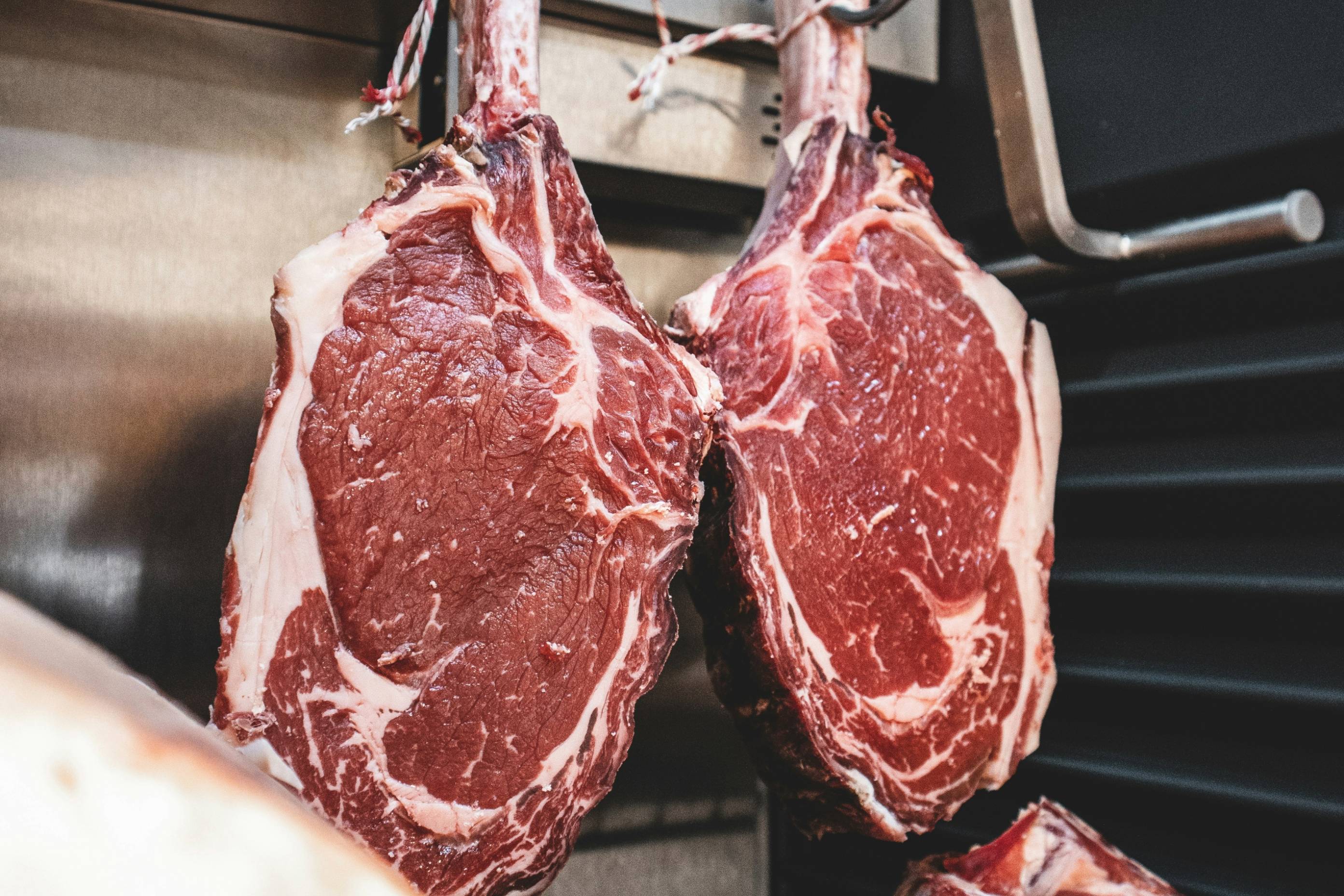
Want to slow down the sugar rollercoaster? Add more lean proteins like grilled chicken, tofu, tempeh, or even hard-boiled eggs to your meals. Proteins take longer to digest, which helps in maintaining a stable blood sugar level by preventing rapid spikes. Toss in some healthy fats like avocados, a handful of almonds, walnuts, or a generous drizzle of extra virgin olive oil for good measure. These nutrient-packed powerhouses delay carb digestion, ensuring a gradual release of glucose into your bloodstream.
Not only do these additions help in blood sugar management, but they also make your dishes more flavorful and satisfying. Imagine turning a simple salad into a gourmet meal with creamy avocado slices, crunchy walnuts, or a sprinkling of feta cheese. Adding a spoonful of hummus to your veggies or incorporating a slice of smoked salmon into your whole-grain toast can elevate the taste and nutritional value of your meals. Healthy fats also play a crucial role in hormone production, brain health, and the absorption of fat-soluble vitamins, making them an essential part of a balanced diet. By integrating a variety of proteins and fats into your meals, you create a more balanced and enjoyable dining experience that supports sustained energy and overall well-being.
5. Move It to Lose It: Post-Meal Activity Matters

Here’s a tip that’s as easy as it is effective: take a short walk after eating. Even a leisurely 15-minute stroll can lower your blood sugar levels by boosting insulin sensitivity. Prefer something more creative? How about dancing around your living room, doing a quick round of stretches, or practicing a few yoga poses? Engaging in light physical activity after meals helps your muscles absorb glucose more efficiently, preventing it from lingering in your bloodstream and causing spikes.
Even light housework, like tidying up, washing dishes, or organizing your living space, counts as post-meal activity. The goal is simple: keep moving and let your body work its magic. Regular post-meal activity not only aids in blood sugar management but also contributes to overall fitness and well-being. Plus, it’s a great way to sneak in some extra steps or enjoy a fun break after your meal. Incorporating these small movements into your daily routine can lead to significant health benefits over time, including improved cardiovascular health, enhanced mood, and better digestion. So, whether you choose a walk in the park, a dance session, or some gentle stretching, find an activity that you enjoy and make it a part of your post-meal ritual.
6. Introducing Low-GI Agents: The Game Changer
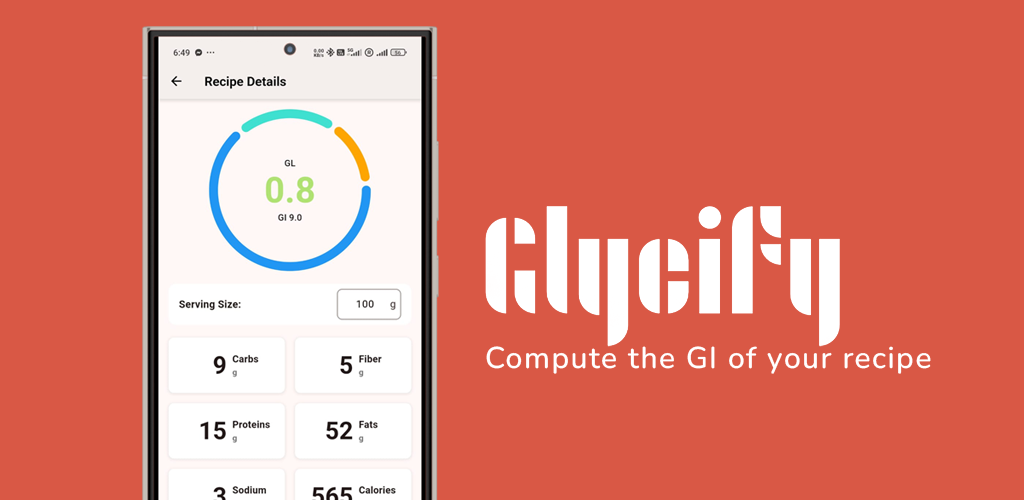
Here’s an exciting concept introduced by Glycify: lowering GI agents. These are natural ingredients with a high Reduction Glycemic Index (RGI) of more than 40%, meaning they can significantly lower the GI of a meal. Recent discoveries show how macronutrients like proteins and fats influence the final GI of a recipe. By incorporating these agents, you can create dishes that are not only delicious but also healthier for your blood sugar levels.
For instance, you can use more butter or other healthy fats like coconut oil or ghee to enrich your dish, adding depth and flavor while lowering the overall GI. Adding a scoop of protein powder to your smoothie increases its protein content, which helps in stabilizing blood sugar levels. Alternatively, swapping out light yogurt for creamy Greek yogurt not only enhances the texture and flavor but also boosts the protein content, contributing to a lower glycemic response.
These small changes make a big difference in the overall glycemic impact of your meals. With the recipe constructor in the Glycify app, you can experiment with these ingredients and see how they impact the GI of your meal in real-time. It’s like having a nutritionist in your pocket, guiding you toward smarter and tastier choices. This tool allows you to customize recipes according to your dietary needs and preferences, ensuring that each meal aligns with your health goals. Whether it’s a breakfast bowl fortified with nuts and seeds, a hearty lunch with added legumes, or a dinner enriched with lean proteins and healthy fats, these low-GI agents empower you to take control of your nutrition and enjoy meals that love you back.
Moreover, understanding the role of low-GI agents can inspire you to get creative in the kitchen. Experiment with different combinations of ingredients to discover new flavors and textures that keep your meals exciting and satisfying. For example, blending flaxseeds into your pancake batter can add a subtle nutty flavor while lowering the GI, or incorporating chia seeds into your yogurt parfait can provide a delightful crunch and additional fiber. By making informed choices and utilizing tools like Glycify, you can transform your cooking habits and embrace a healthier, more balanced approach to eating.
7. Incorporate Whole Grains and Legumes
Another effective strategy for lowering the GI of your meals is to incorporate whole grains and legumes into your diet. Whole grains like brown rice, quinoa, bulgur, and farro have lower glycemic indices compared to their refined counterparts. They are rich in fiber, vitamins, and minerals, which contribute to better blood sugar control and overall health. Similarly, legumes such as lentils, chickpeas, black beans, and kidney beans are excellent sources of protein and fiber, making them ideal for maintaining stable blood sugar levels.
Adding whole grains and legumes to your meals not only diversifies your diet but also enhances the nutritional profile of your dishes. For example, you can create a hearty lentil soup, a quinoa salad with mixed vegetables, or a black bean stew that is both delicious and beneficial for your blood sugar management. These ingredients are versatile and can be used in a variety of recipes, from breakfast porridges to savory casseroles, ensuring that you have plenty of options to choose from.
Moreover, whole grains and legumes have a slower digestion rate, which helps in preventing rapid spikes in blood sugar. They also provide sustained energy, keeping you feeling full and satisfied for longer periods. Incorporating these nutrient-dense foods into your diet can lead to improved insulin sensitivity, better weight management, and a reduced risk of developing chronic diseases such as type 2 diabetes and heart disease. By making whole grains and legumes a staple in your meals, you are taking a proactive step toward a healthier and more balanced lifestyle.
8. Mindful Portion Control
While focusing on lowering the glycemic index of your meals is essential, practicing mindful portion control is equally important in managing blood sugar levels. Even low-GI foods can cause blood sugar spikes if consumed in large quantities. Therefore, being mindful of the portions you serve yourself can help maintain steady glucose levels throughout the day.
Start by using smaller plates and bowls to naturally limit your portion sizes. Pay attention to serving recommendations and try to adhere to them without second-guessing. For example, a standard serving of cooked quinoa is about half a cup, while a typical serving of vegetables should fill at least half of your plate. Incorporate portion control techniques such as the "plate method," where you divide your plate into sections for proteins, vegetables, and whole grains, ensuring a balanced and proportionate meal.
Additionally, listening to your body’s hunger and fullness cues can prevent overeating. Eating slowly and savoring each bite allows your brain to register when you’re full, reducing the likelihood of consuming excess calories and sugars. Drinking water before and during your meal can also help in managing your appetite and preventing overeating. By combining portion control with low-GI food choices, you create a powerful strategy for maintaining healthy blood sugar levels and promoting overall wellness.
9. Hydrate Wisely

Hydration plays a crucial role in maintaining optimal blood sugar levels. Dehydration can lead to higher blood sugar concentrations, making it harder for your body to manage glucose effectively. Therefore, choosing the right beverages is essential for blood sugar control.
Opt for water as your primary beverage of choice. Staying well-hydrated helps your kidneys flush out excess glucose through urine, preventing spikes in blood sugar levels. If you find plain water too monotonous, infuse it with slices of cucumber, mint, or berries to add a hint of flavor without adding sugar. Herbal teas and green tea are also excellent options, providing additional health benefits such as antioxidants that support overall health.
Avoid sugary drinks like sodas, fruit juices, and energy drinks, as they can cause rapid spikes in blood sugar levels. Even seemingly healthy options like fruit smoothies can be high in natural sugars, so it’s important to monitor portion sizes and ingredients. For instance, blending whole fruits with unsweetened almond milk and adding a handful of spinach can create a nutritious, low-GI smoothie that supports stable blood sugar levels.
Additionally, limit your intake of caffeinated beverages, as excessive caffeine can affect blood sugar regulation and lead to dehydration. Moderation is key—enjoy your coffee or tea in reasonable amounts and pair it with plenty of water throughout the day. By making mindful choices about your hydration, you support your body’s ability to manage blood sugar effectively and maintain overall health.
10. Prioritize Whole, Unprocessed Foods
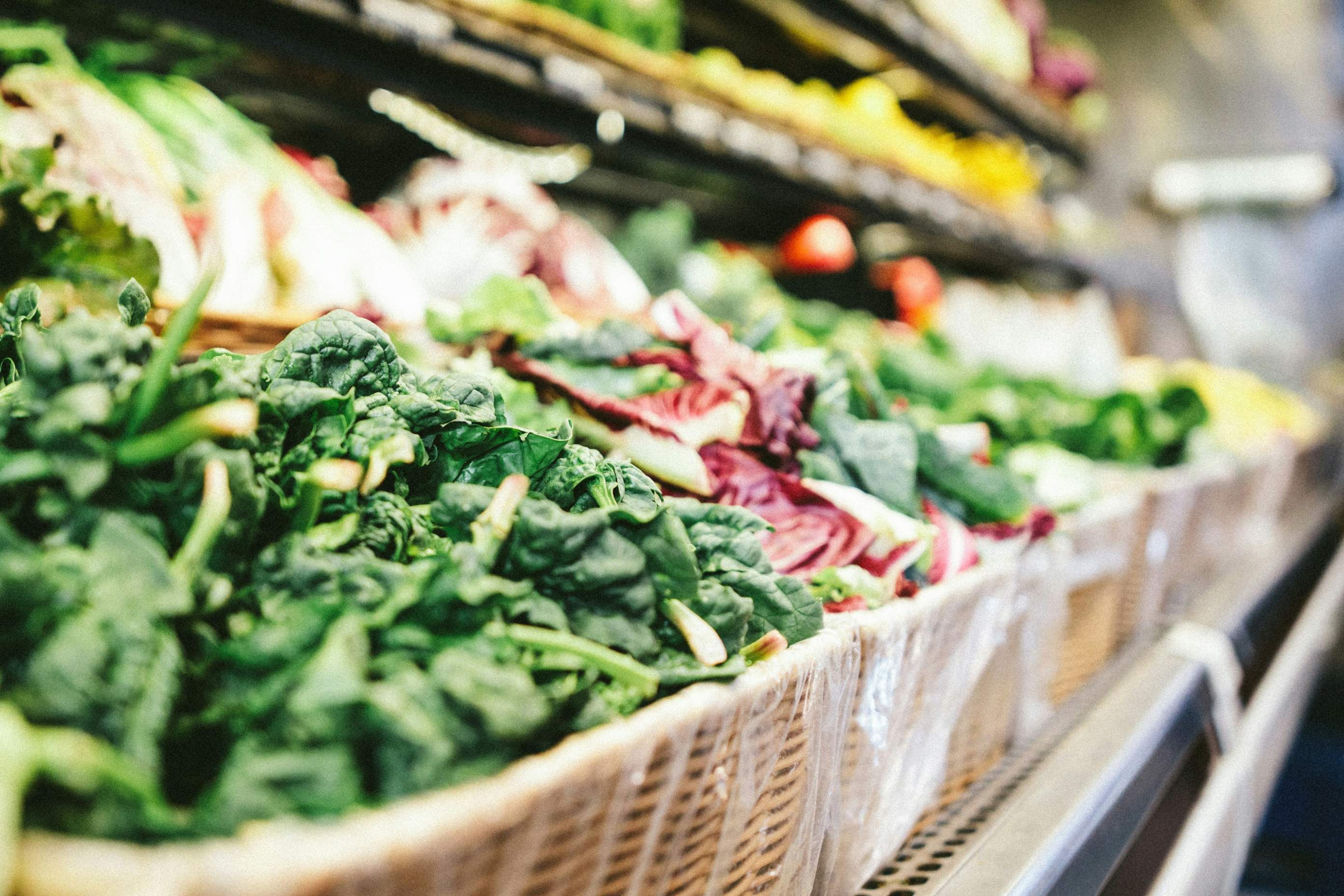
Embracing whole, unprocessed foods is a cornerstone of a low-GI diet. Processed foods often contain refined sugars, unhealthy fats, and additives that can disrupt blood sugar levels and contribute to various health issues. By prioritizing whole foods, you ensure that your meals are rich in nutrients, fiber, and natural flavors, all of which support stable blood sugar levels.
Incorporate a variety of fresh fruits, vegetables, whole grains, lean proteins, and healthy fats into your diet. Fresh fruits like berries, apples, and pears have a lower GI compared to tropical fruits like pineapples and mangoes, making them better choices for blood sugar management. Leafy greens, cruciferous vegetables, and colorful vegetables provide essential vitamins, minerals, and antioxidants that promote overall health and well-being.
Whole grains such as brown rice, oats, and barley are excellent alternatives to refined grains, offering more fiber and a lower glycemic response. Lean proteins like chicken breast, turkey, fish, tofu, and legumes are vital for muscle maintenance and repair, while healthy fats from sources like avocados, nuts, seeds, and olive oil support heart health and hormone balance.
Minimizing the intake of processed snacks, sugary cereals, and packaged meals can significantly improve your blood sugar control and overall diet quality. When preparing meals, focus on using fresh ingredients and cooking methods that preserve the natural flavors and nutrients, such as grilling, steaming, roasting, or sautéing. By making whole, unprocessed foods the foundation of your diet, you create a nourishing and balanced approach to eating that supports steady energy levels and long-term health.
Final Thoughts
Lowering the glycemic impact of your meals doesn’t mean overhauling your lifestyle. With a few smart tweaks and a little creativity, you can savor your favorite foods while keeping your blood sugar levels steady. So, next time you’re cooking, remember: eat your veggies first, embrace the tang of vinegar, swap smartly, bulk up on proteins and fats, and move that body. Don’t forget to experiment with low-GI agents for an even healthier twist. Additionally, incorporating whole grains and legumes, practicing mindful portion control, hydrating wisely, and prioritizing whole, unprocessed foods further enhance your ability to maintain stable blood sugar levels.
Your meals will be healthier, and your energy levels will soar—one delicious bite at a time. Embrace these strategies as part of your daily routine, and you’ll not only avoid the post-meal sugar slump but also experience numerous other health benefits, including improved mood, better weight management, and a reduced risk of chronic diseases. Remember, small changes can lead to significant results, so start incorporating these tips today and enjoy the journey toward a healthier, more balanced lifestyle. With dedication and a bit of culinary creativity, managing your blood sugar can be both enjoyable and rewarding.
References
- Diabetes Care: Food Order Has a Significant Impact
- Diabetes Journals: The 3 R's of Glycemic Index - Recommendations, Research, and the Real World
- MDPI: A Review of Recent Findings on Meal Sequence
- PMC: Predicting Glycemic Index and Glycemic Load from Macronutrients
Last updated: December 2024