Glycemic Index vs. Glycemic Load: What’s the Difference and Why It Matters
Picture this: you’ve just polished off a seemingly healthy bowl of whole-grain cereal, expecting steady energy throughout the morning. Yet, an hour later, you’re sluggish, hungry, and craving something sweet. What happened? Understanding how different foods impact your blood sugar levels could hold the answer. For many individuals—whether managing diabetes, striving for metabolic balance, or simply hoping to avoid energy crashes—a closer look at the Glycemic Index (GI) and Glycemic Load (GL) can make a world of difference. Additionally, you might be interested in Lowering the Glycemic Impact of Your Meals to further enhance your dietary strategies. And that’s exactly where Glycify, our innovative nutrition app, comes into play.
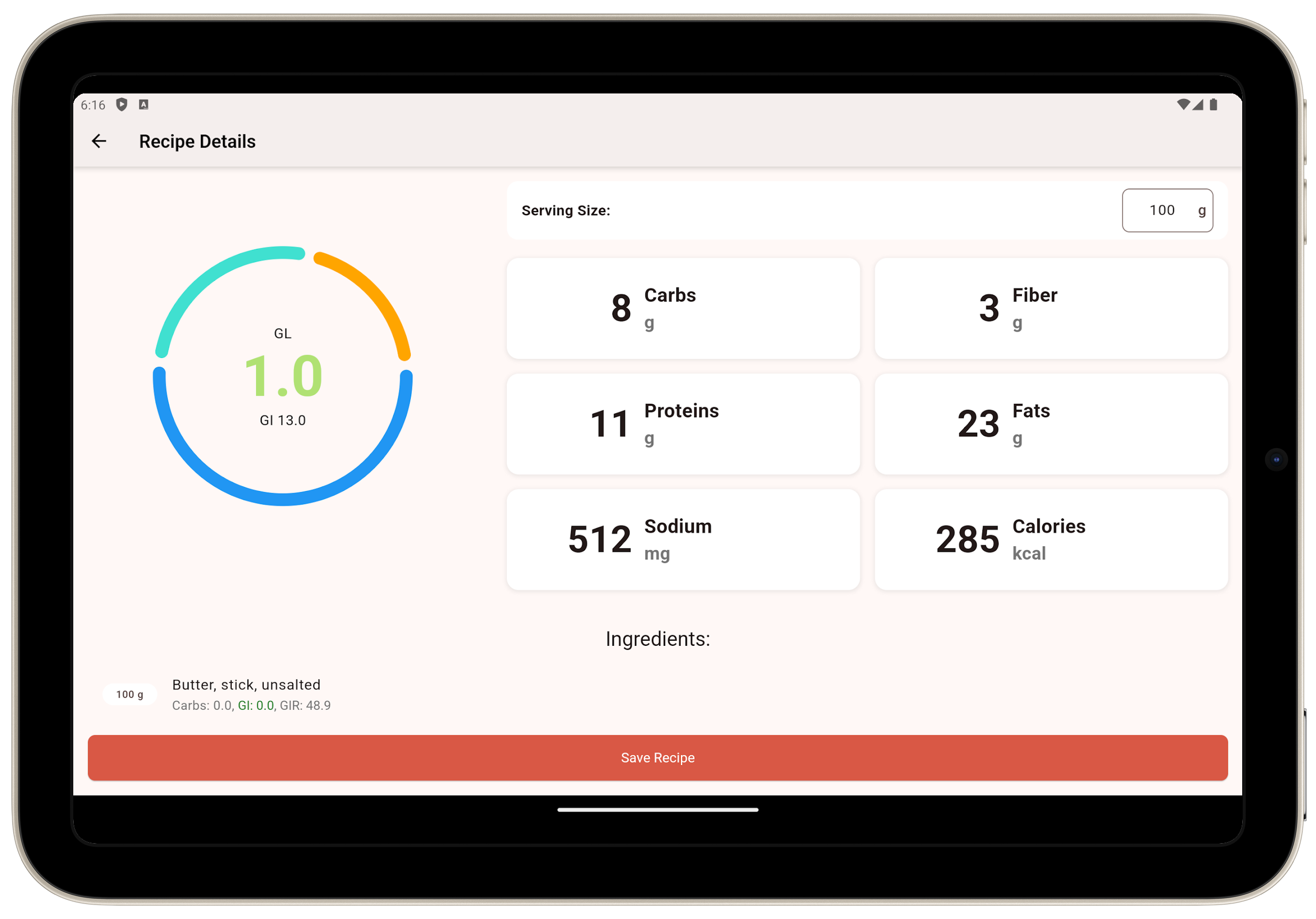 Glycify leverages cutting-edge research to calculate both GI and GL values for recipes and ingredients, giving you the insights you need to make informed dietary choices.
Unpacking the Basics: GI vs. GL
Glycemic Index (GI) is a scale (0 to 100) that ranks carbohydrate-containing foods by how quickly they raise your blood sugar. Pure glucose tops the scale at 100, setting the benchmark. High-GI foods cause a rapid spike in blood sugar, while low-GI foods have a more gradual effect.
On the other hand, Glycemic Load (GL) takes things a step further by factoring in not only how fast a food affects blood sugar but also how much carbohydrate it contains per typical serving. The formula:
GL = (GI × Carbohydrate Content per Serving in Grams) / 100
This calculation provides a more practical, real-world measure. Two foods might share a high GI, but if one has fewer carbs per serving, its actual impact on your blood sugar—its GL—may be significantly lower.
How Your Body Responds: The Physiological Perspective
High-GI Foods: Eating foods with a high GI can lead to rapid digestion and absorption of glucose, causing swift spikes in your blood sugar. Your body responds by releasing a surge of insulin, which, after clearing the sugar from your bloodstream, may leave you feeling shaky, fatigued, and hungrier than before. Over time, this pattern can contribute to overeating and weight gain.
Low-GI Foods: In contrast, low-GI foods are more slowly digested and absorbed. This controlled release of glucose helps maintain steady blood sugar and insulin levels, promoting long-lasting satiety. You feel full and energized longer, reducing the temptation to reach for that mid-morning snack.
Health Implications: Managing Diabetes and Beyond

For individuals managing diabetes or those aiming to maintain metabolic health, knowing the GI and GL of foods is particularly beneficial. Research consistently suggests that diets emphasizing low-GI foods and low-GL foods can improve blood sugar control and lower the risk of developing type 2 diabetes. Meta-analyses and systematic reviews have linked low-GI/GL diets to better weight management and reduced obesity-related risks.
A 2023 update to the Luso-Brazilian guideline for managing type 2 diabetes further underscores the importance of these dietary strategies, highlighting how low-GI/GL eating patterns can enhance glycemic control and reduce cardiovascular complications.
What the Latest Research Says
Cutting-edge studies continue to investigate the broader health ramifications of GI and GL:
Cardiovascular Health: A 2022 study found that high-GI/GL diets may increase the risk of cardiovascular issues, underlining the importance of minding both the quality and quantity of carbohydrates.
Cancer Risk: While some research suggests a potential link between high-GI/GL diets and certain cancers, findings remain mixed. More exploration is needed to draw firm conclusions.
Putting It Into Practice: Meal Planning Tips
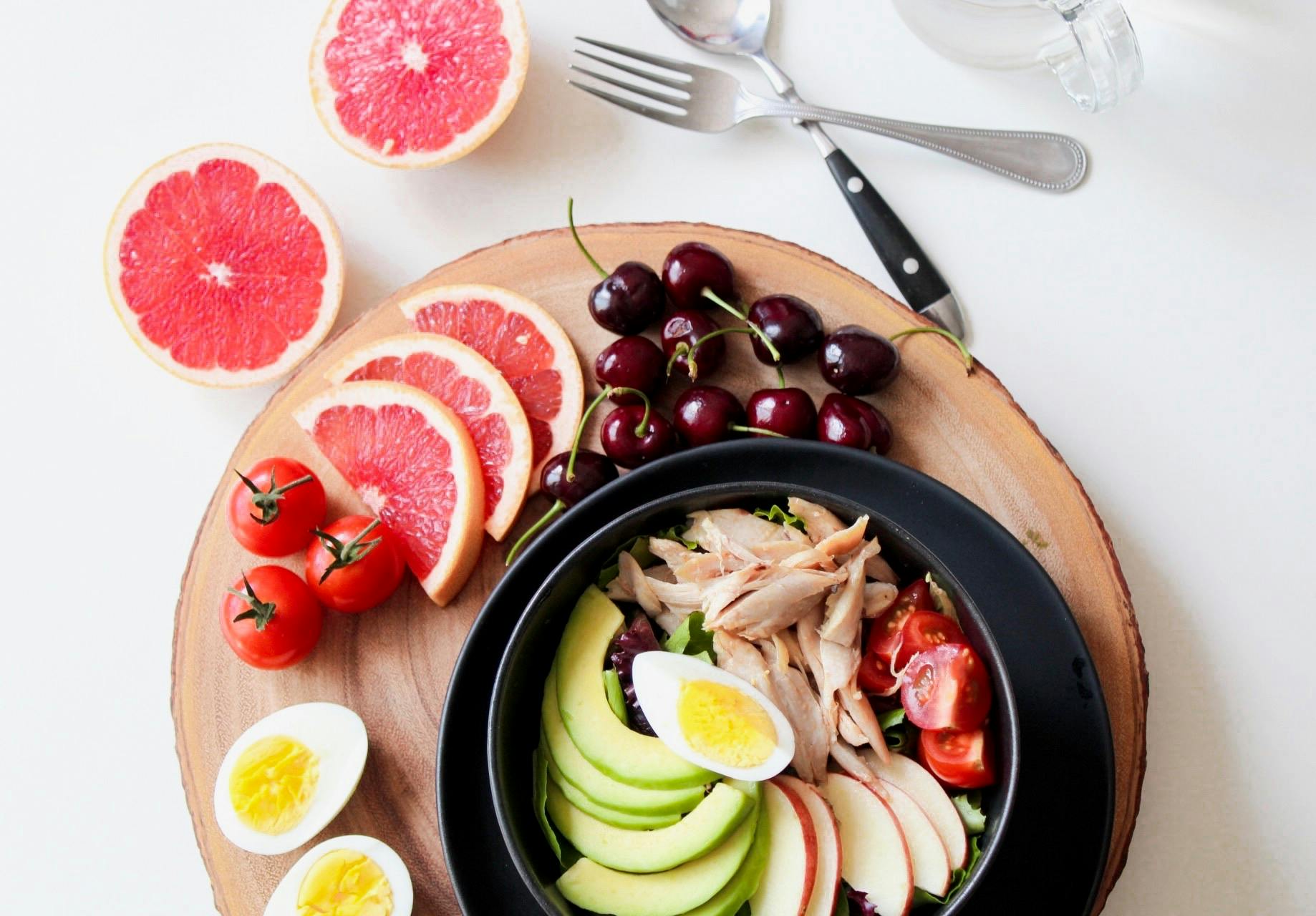
Translating the theory into action can be simpler than you think:
- Choose Low-GI Foods: Focus on whole grains, legumes, fruits, and non-starchy vegetables. For a comprehensive list, check out our 10 Low-GI Superfoods That Keep Your Blood Sugar in Check.
- Monitor Portion Sizes: Even low-GI foods can significantly affect blood sugar if eaten in large amounts.
- Combine Macronutrients: Pair carbohydrates with protein, healthy fats, and fiber to lower the overall GI of your meal and promote longer-lasting fullness.
- Be Mindful of Cooking Methods: For instance, cooking pasta al dente rather than until very soft can help keep its GI lower.
The Numbers Game: Understanding GI and GL Categories
Managing blood sugar levels effectively requires an understanding of both Glycemic Index (GI) and Glycemic Load (GL). While GI indicates how quickly a food raises blood sugar levels, GL provides a more practical measure by considering both the quality (GI) and quantity (portion size) of carbohydrates consumed. Together, these metrics paint a more accurate picture of a food's overall impact on blood sugar.
Why Both GI and GL Matter
- GI Alone Is Incomplete: High-GI foods can cause rapid blood sugar spikes if consumed in large quantities, but the impact may be minimal if eaten in small amounts. For example, watermelon has a high GI of 80 but contains relatively few carbohydrates per serving, resulting in a low GL of about 5. This means its actual impact on blood sugar is minimal when eaten in typical portions.
- GL Adds Context to GI: GL considers portion size, helping to determine the actual glycemic impact of a serving. For instance:
- A small serving of white rice (high GI) has a moderate GL, which may fit into a balanced meal.
- Conversely, consuming large portions of even low-GI foods can still lead to significant blood sugar increases.
- Balanced Diet Planning: Combining low-GI foods with medium- or high-GI foods can moderate overall blood sugar responses. For example, pairing white rice (high GI) with lentils (low GI) can create a balanced meal with a moderate GL.
Key Takeaways:
- Use GI to understand the quality of carbohydrates and their digestion speed.
- Use GL to account for the quantity of carbohydrates in a serving.
- Together, these values guide better food choices, portion control, and meal planning for blood sugar management and long-term health.
GI Categories:
- Low GI: 55 or less – Foods that are digested and absorbed slowly, causing a gradual rise in blood sugar. Examples include most non-starchy vegetables, legumes, and whole grains.
- Medium GI: 56–69 – Foods that moderately impact blood sugar. Examples include brown rice, sweet potatoes, and pineapples.
- High GI: 70 and above – Foods that cause rapid blood sugar spikes. Examples include white bread, breakfast cereals, and sugary snacks.
GL Values per Serving:
- Low GL: 10 or less – Minimal impact on blood sugar. Examples include an apple (GL ~6) or almonds (GL ~0).
- Medium GL: 11–19 – Moderate impact on blood sugar, suitable in balanced meals. Examples include brown rice (GL ~16) or a banana (GL ~12).
- High GL: 20 or more – Significant impact on blood sugar. Examples include cornflakes (GL ~23) or a large baked potato (GL ~33).
A great example is watermelon. Although it has a high GI, its low carbohydrate content per serving results in a low GL, demonstrating how portion size can mitigate the glycemic impact of high-GI foods. By understanding both GI and GL, you can make informed dietary choices for better glycemic control and overall health.
Why GL May Be More Useful than GI Alone
While GI highlights how quickly a food can elevate blood sugar, it doesn’t consider how much of that food you typically eat. GL addresses this shortfall by factoring in serving size and carbohydrate content. As a result, GL offers a more practical, real-world measure of a food’s impact on blood sugar, making it an essential tool for anyone managing diabetes, prediabetes, or metabolic health concerns.
Let Glycify Empower Your Choices
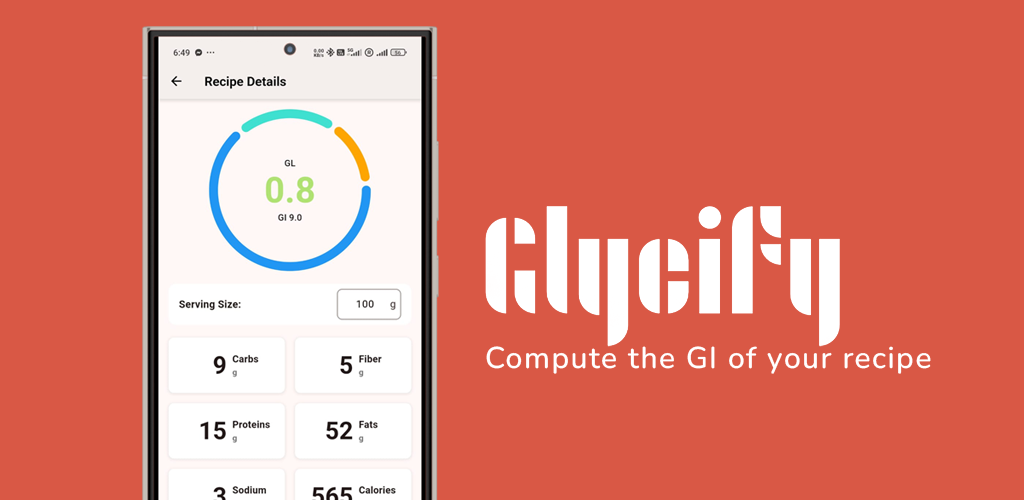
Ready to put these insights into action? Glycify is here to help. Our app doesn’t just show you the GI; it also calculates the GL for your favorite recipes and ingredients, using advanced predictive models that incorporate the latest scientific discoveries. With Glycify’s user-friendly interface, you can easily identify meals that balance both GI and GL, tailor your eating patterns, and gain greater confidence in your dietary decisions.
Whether you’re aiming for more stable energy throughout the day, better blood sugar management, or improved heart health, understanding GI and GL is the foundation—and Glycify is your ally in making those data-driven choices a reality. Start exploring today, and see how the combination of science and convenience can guide you toward healthier, more sustainable eating habits.
References
- EatingWell: GI and GL Basics
- LPI: Mechanisms & Applications
- DMS Journal: Diabetes Management
- Harvard Health: Clinical Data
Last updated: December 2024