Oxalates Made Easy: Understanding Their Impact on Your Health
Imagine your body as a sophisticated machine, with various components working together to keep everything running smoothly. One of these components involves compounds called oxalates. Let’s start by understanding what oxalates are in simple terms before delving into their more complex roles and implications for health. Additionally, if you're interested in how your meals impact your blood sugar levels, check out our guide on Lowering the Glycemic Impact of Your Meals: Simple Steps for a Healthier You.
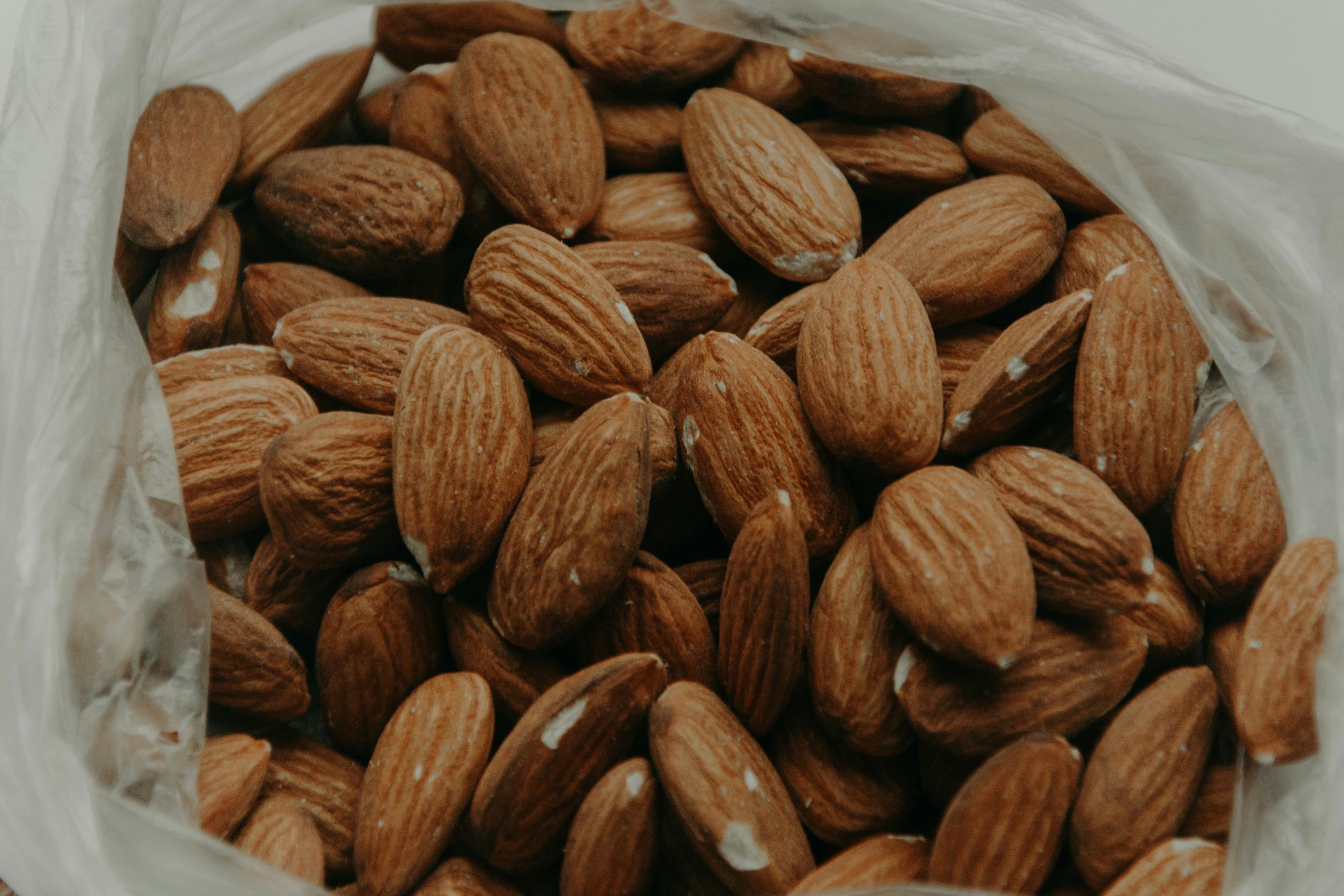 Almonds are a common source of oxalates.
What Are Oxalates?
Oxalates are naturally occurring substances found in many plants and are also produced by our bodies. Think of them as tiny building blocks that can bind with minerals like calcium. While they are present in a variety of foods we enjoy, such as spinach, almonds, and sweet potatoes, their interaction with minerals can sometimes lead to health issues.
Chemical Nature and Sources
Oxalates, or oxalic acid, are dicarboxylic acids that exist both freely in numerous plant-based foods and are synthesized endogenously within the human body, primarily in the liver. Common dietary sources include:
- Spinach: 658 mg per 100 grams
- Rhubarb: 433 mg per 100 grams
- Almonds: 407 mg per 100 grams
- Peanuts: 94.5 mg per 100 grams
- Cocoa Powder: 111 mg per 100 grams
Endogenous production of oxalates arises from precursors such as ascorbic acid, glyoxylate, and hydroxyproline.
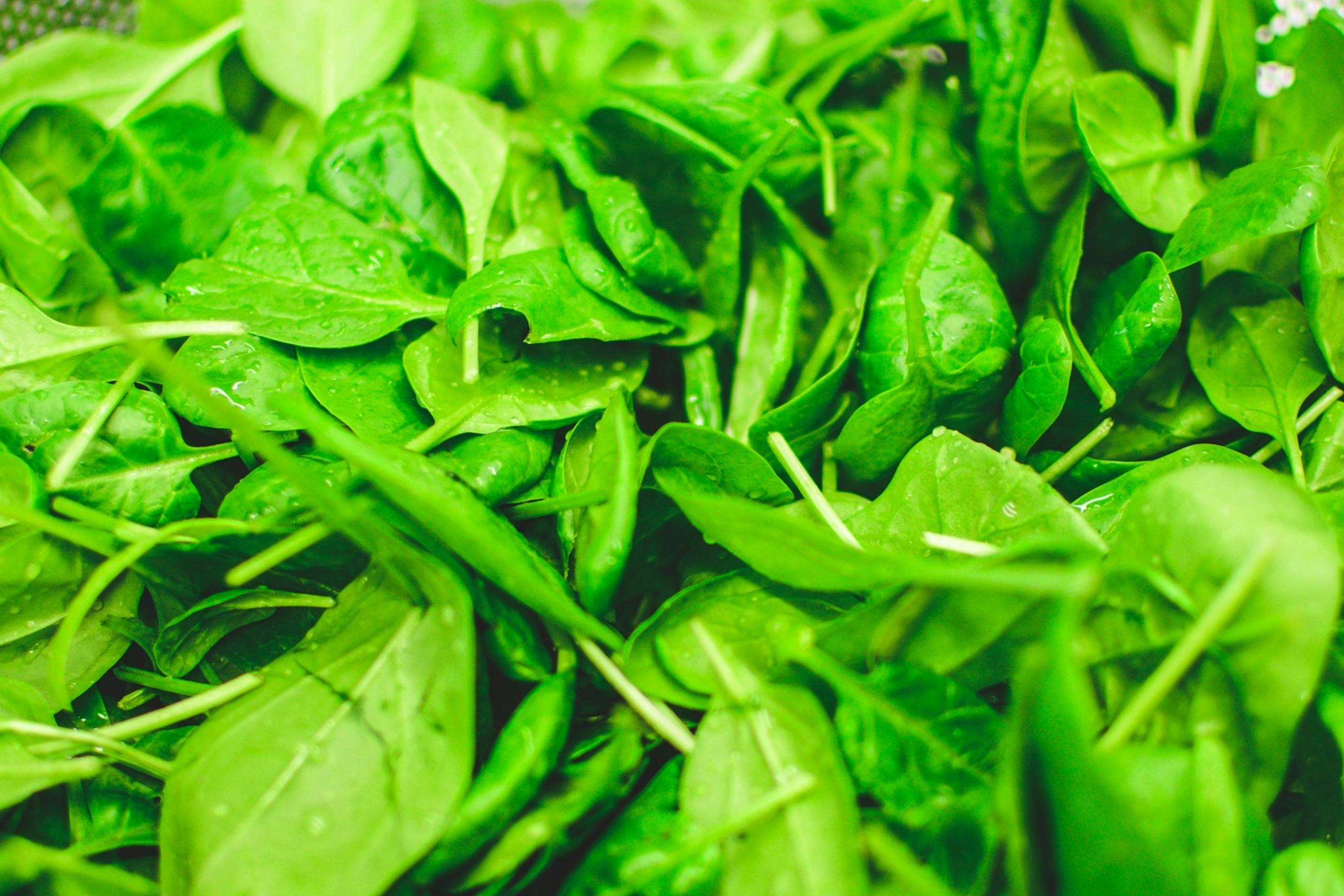 Spinach is a high-oxalate food, containing approximately 658 mg per 100 grams.
Metabolism and Excretion
The liver metabolizes precursors into oxalates, which are then excreted by the kidneys. The gut microbiome plays a crucial role in this process; bacteria like Oxalobacter formigenes degrade oxalates, reducing their absorption and urinary excretion. Disruptions in the gut flora—such as those caused by antibiotic use or poor dietary habits—can impair oxalate degradation, leading to elevated oxalate levels and associated health risks.
Recommended Daily Oxalate Intake
General Population
For most individuals, a daily oxalate intake ranging from 50 to 200 mg is considered safe and unlikely to pose health risks.
At-Risk Populations
Individuals with a history of kidney stones, hyperoxaluria, or kidney disease should limit their oxalate intake to less than 50 mg per day to mitigate the risk of complications.
Thresholds for Toxicity
Consumption exceeding 1,000 mg of oxalate per day is deemed excessive, potentially leading to hyperoxaluria (elevated urinary oxalate levels). Such high intake significantly heightens the risk of kidney stone formation and other related health issues.
Factors Influencing Oxalate Absorption
Dietary Calcium Intake
Consuming calcium-rich foods alongside oxalate-rich foods can significantly reduce oxalate absorption. Calcium binds with oxalates in the gut to form insoluble calcium oxalate, which is excreted rather than absorbed, thereby lowering the risk of kidney stone formation. For more tips on maintaining balanced blood sugar levels through diet, refer to our article on Lowering the Glycemic Impact of Your Meals.
Gut Microbiome Health
A healthy population of oxalate-degrading bacteria, such as Oxalobacter formigenes, can decrease oxalate absorption and urinary excretion. Disruptions in the gut microbiome can impair this degradation process, increasing systemic oxalate levels.
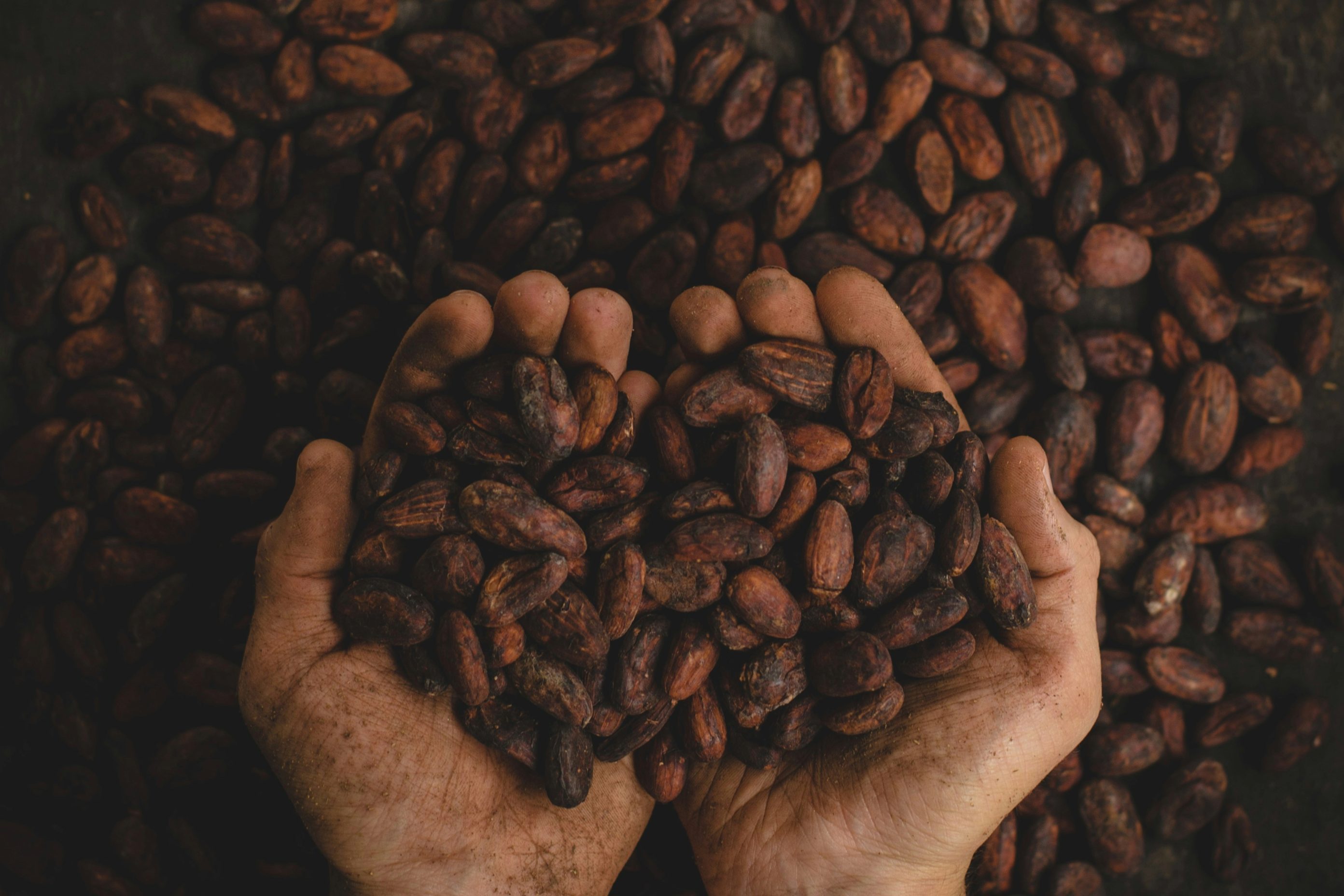 Cocoa beans are another source of dietary oxalates.
Health Risks Associated with Oxalates
Kidney Stones
Oxalates are a leading cause of calcium oxalate kidney stones, accounting for approximately 80% of cases. High dietary intake of oxalates, particularly when not balanced with adequate calcium, elevates the risk of nephrolithiasis.
Chronic Kidney Disease (CKD)
Elevated oxalate levels are associated with the progression of CKD. Oxalate crystals can cause renal tissue damage, exacerbating kidney dysfunction.
Systemic Inflammation
Oxalates can activate the NLRP3 inflammasome, contributing to chronic inflammation and tissue damage. This inflammatory response is implicated in various systemic conditions, including cardiovascular diseases and metabolic disorders.
Gut Health
High oxalate levels can disrupt the gut microbiome, leading to dysbiosis and conditions such as leaky gut syndrome. This disruption further impairs oxalate degradation and absorption.
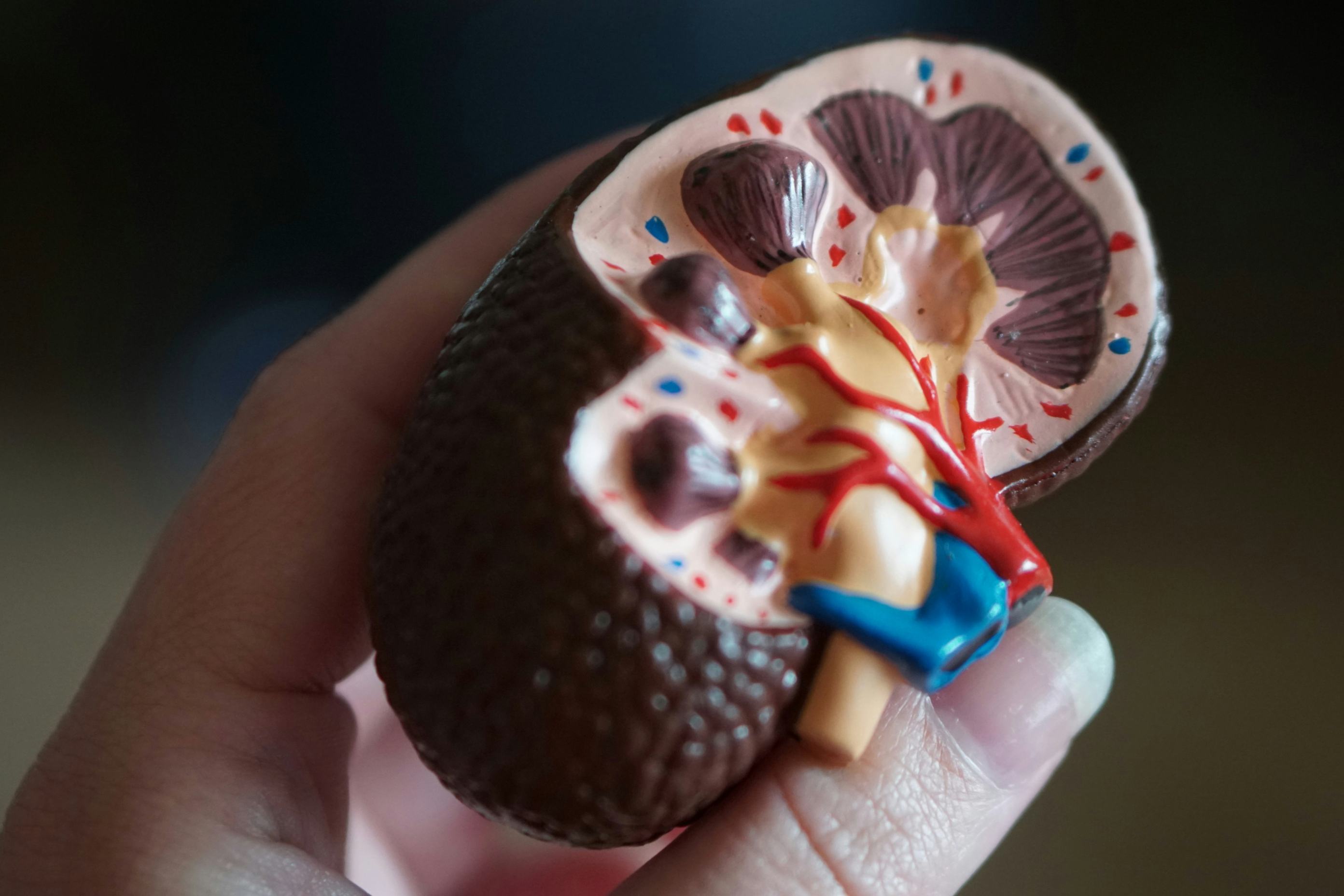 Kidney stones formed from calcium oxalate can cause significant pain and health issues.
Genetic and Environmental Factors
Primary Hyperoxaluria
Primary hyperoxaluria is a rare genetic disorder characterized by excessive oxalate production due to enzyme deficiencies. This condition leads to recurrent kidney stones and can result in systemic oxalosis if not managed effectively.
Secondary Hyperoxaluria
Secondary hyperoxaluria, more common than its primary counterpart, arises from dietary factors or gut disorders. It is often manageable through dietary modifications that reduce oxalate intake and support gut health.
Current Developments in Oxalate Management
Innovative Treatments
Emerging treatments include RNA interference therapies like lumasiran, which target glycolate oxidase to reduce oxalate production in individuals with primary hyperoxaluria. Such targeted therapies represent significant advancements in managing oxalate-related disorders.
Probiotics and Dietary Interventions
Probiotics that enhance oxalate-degrading bacteria in the gut are being explored as a means to modulate the microbiome and reduce oxalate levels. Dietary interventions, including the reduction of high-oxalate foods and the pairing of oxalate-rich foods with calcium sources, are also pivotal in managing oxalate absorption and excretion. Additionally, incorporating low-GI foods can help maintain stable blood sugar levels; see our list of 10 Low-GI Superfoods That Keep Your Blood Sugar in Check.
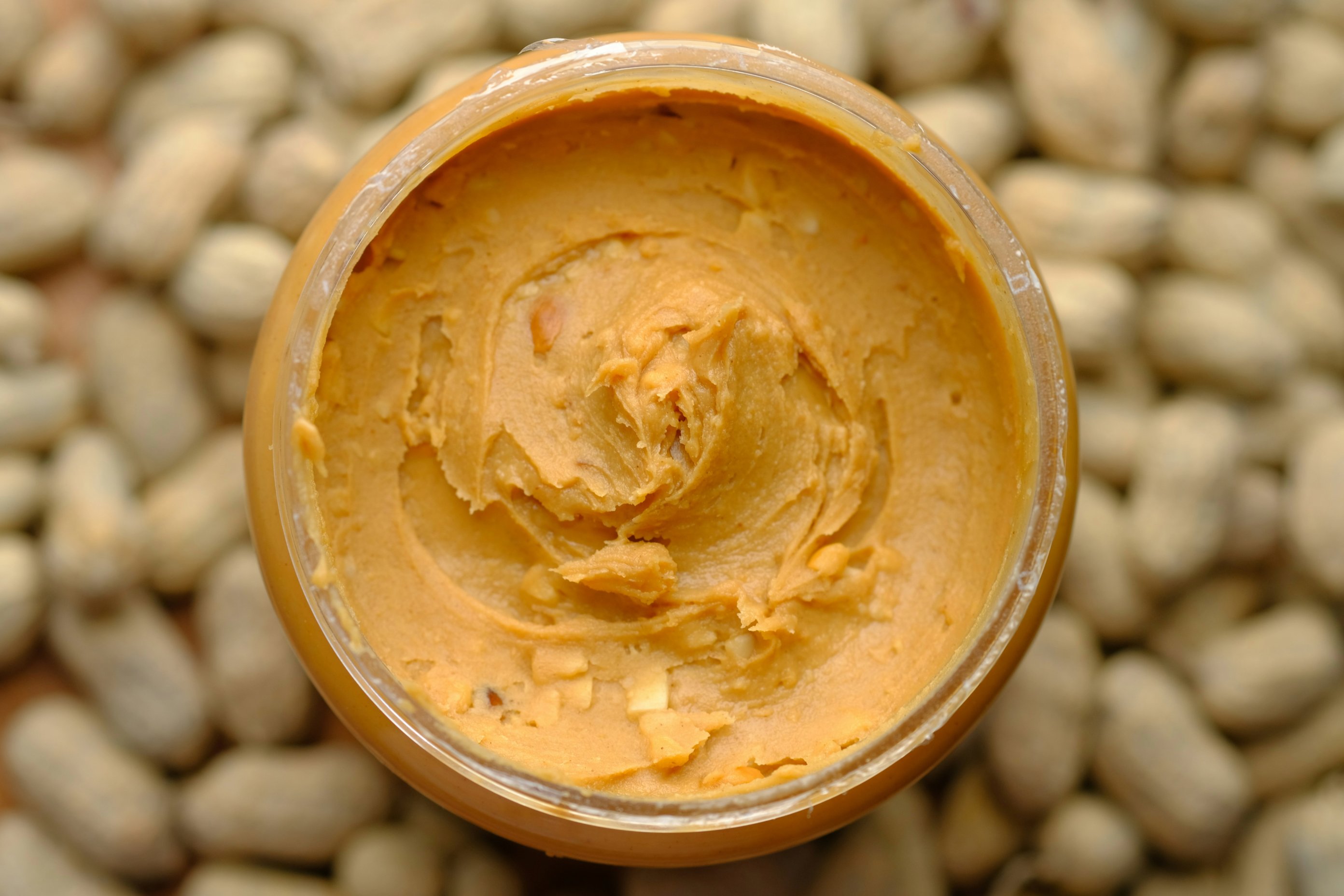 Peanut butter contains moderate levels of oxalates.
Practical Recommendations for Oxalate Management
Balanced Diet
- Pairing Foods: Combine high-oxalate foods with calcium-rich foods to minimize oxalate absorption. Additionally, incorporating low-GI foods can help maintain stable blood sugar levels; see our list of 10 Low-GI Superfoods That Keep Your Blood Sugar in Check.
- Food Selection: Incorporate moderate and low-oxalate foods to maintain overall dietary balance. Understanding the Glycemic Index can also aid in making informed food choices that benefit your overall health.
Hydration
Maintaining adequate hydration by drinking plenty of water helps dilute urinary oxalate concentrations, reducing the risk of kidney stone formation.
Cooking Methods
Boiling high-oxalate vegetables can reduce their oxalate content by 30–87%, making them safer for consumption without significantly compromising their nutritional value.
Probiotic Supplementation
Consider the use of probiotics containing Oxalobacter formigenes or other oxalate-degrading bacteria to support gut microbiome health and enhance oxalate metabolism.
Medical Consultation
Individuals, especially those at risk, should consult healthcare professionals or dietitians for personalized advice on managing oxalate intake and mitigating associated health risks.
 Rhubarb is a high-oxalate vegetable commonly used in desserts.
Implications for Public Health and Healthcare Systems
Oxalate-related health issues, particularly kidney stones, impose significant burdens on healthcare systems due to their prevalence and the recurrent nature of the condition, often necessitating surgical interventions. The broader association of oxalates with systemic diseases such as cardiovascular disorders underscores the necessity for comprehensive management strategies that encompass dietary guidelines, personalized nutrition plans, and advancements in medical treatments.
Economic Impact
Recurrent kidney stone cases contribute to substantial healthcare costs. Preventative measures through dietary management and innovative treatments can alleviate these economic burdens.
Public Awareness
Raising public awareness about the sources of oxalates, their health implications, and effective management strategies is crucial in mitigating the prevalence of oxalate-related conditions.
Conclusion
Oxalates, while integral components of many nutritious foods, pose significant health risks when their levels are unregulated. Their impact spans from kidney stone formation to systemic inflammation and metabolic disorders, influenced by genetic, dietary, and environmental factors. Current research highlights the critical role of the gut microbiome in oxalate metabolism and the potential of innovative treatments such as RNA interference therapies. Practical management strategies, including dietary modifications, adequate hydration, and probiotic supplementation, are essential in reducing oxalate-related health complications. Continued research and increased public awareness are imperative to address the challenges posed by oxalates in modern healthcare, ultimately enhancing individual well-being and reducing the burden on healthcare systems.
By understanding the dual nature of oxalates and implementing effective management strategies, individuals can enjoy the benefits of oxalate-containing foods while minimizing potential health risks. For a comprehensive approach to managing your diet, including blood sugar levels, explore our articles on Understanding Glycemic Index and Lowering the Glycemic Impact of Your Meals.
References
Unraveling the Impact of Oxalates on Chronic Disease: A Comprehensive Guide for Nutritionists
- BioIndividual Nutrition
- Provides an easy-to-understand overview of oxalates and their health implications, suitable for explaining concepts in layman's terms.
Oxalates: Dietary Oxalates and Kidney Inflammation: A Literature Review
- PubMed
- Covers the broader implications of oxalates, including inflammation and systemic effects.
Dietary Oxalate Intake and Kidney Outcomes
- MDPI
- Focuses on dietary oxalates and their link to kidney health, aligning with sections on kidney stones and chronic kidney disease (CKD).
Dietary oxalate-calcium balance and the incidence of hypertension and chronic kidney disease: a prospective study among an Asian population
- Nutrition & Metabolism
- Explores the interaction between dietary oxalates and calcium, relevant for the "Factors Influencing Oxalate Absorption" section.
Current Trends and Technological Advancements in the Use of Oxalate-Degrading Bacteria as Starters in Fermented Foods—A Review
- MDPI
- Discusses the role of oxalate-degrading bacteria in gut health and metabolism, relevant for the microbiome discussion.